
Right in the middle of a noisy coffee shop I tapped my phone to a little metal card and felt a tiny thrill. Whoa! It was weirdly satisfying. The card did its job—keys stayed offline, the phone displayed the transaction, and I signed with a calm that felt almost luxurious. My instinct said this was the future of everyday crypto custody. Initially I thought hardware wallets had to be bulky or geeky, but then realized small, card-shaped devices can be both secure and elegantly simple.
Seriously? Yeah. At first glance a Tangem card looks like somethin’ you’d get from a fancy hotel keychain. Hmm… the form factor disarms you. It’s tactile. You can slip it into a wallet, not a backpack. On one hand that makes it approachable for new users; on the other hand, it raises obvious questions about loss, theft, and recovery. Actually, wait—let me rephrase that: the risks are real, but they are different from classic seed-phrase risks. With Tangem there’s no mnemonic to copy down and store in a drawer, which some people love and others find scary.
Okay, so check this out—Tangem uses a secure element on the card itself to hold private keys, and you interact via NFC through the Tangem app. The card never exposes the private key and never needs to be plugged into a computer. Short sentence. Longer thought here that unpacks why that matters: because it reduces attack surface, minimizes user error, and fits into a daily routine much like tapping a contactless payment card does. That simplicity is intentional. It’s also the part that bugs me a bit, since simplicity sometimes hides trade-offs you only notice later…
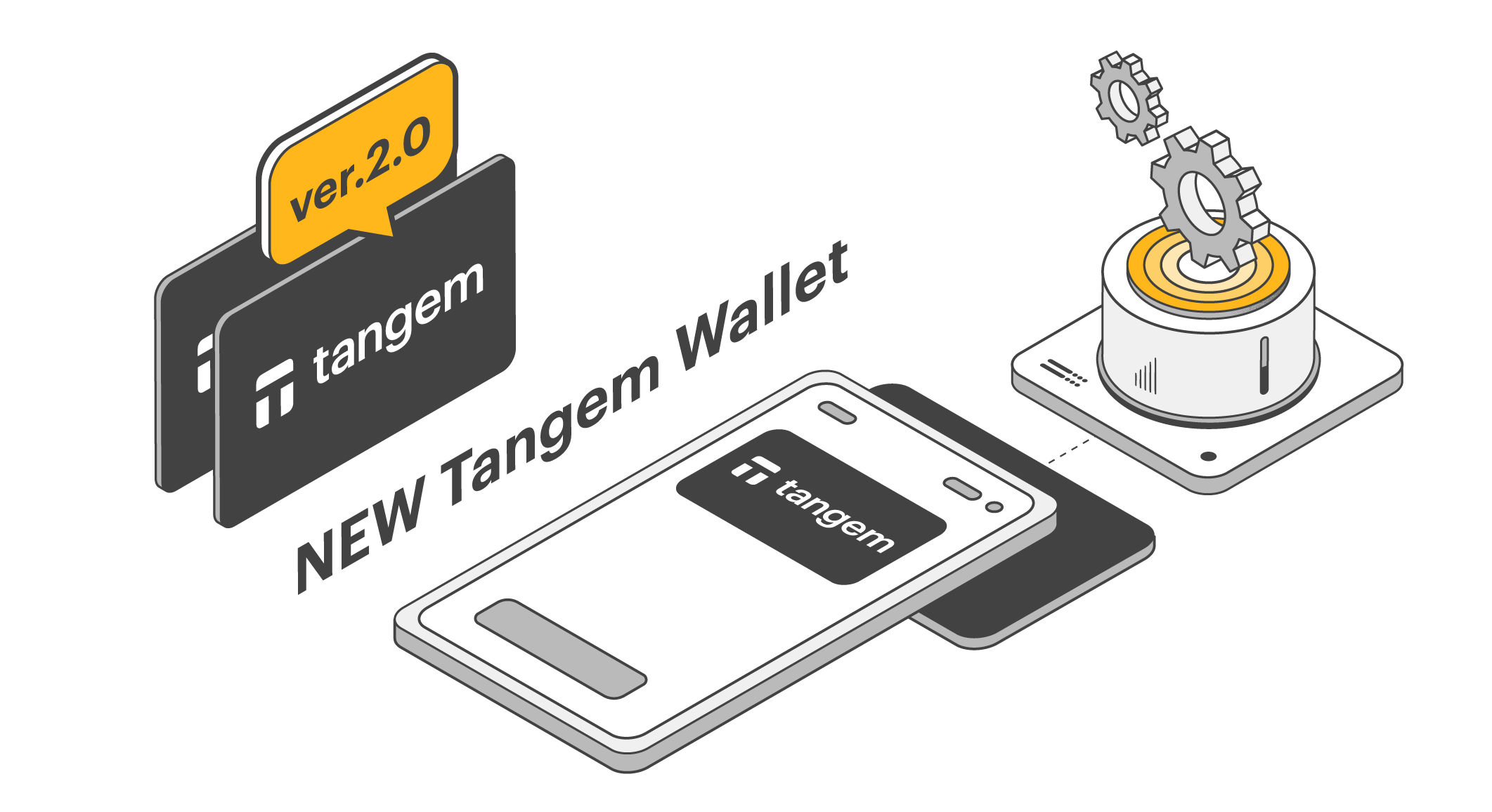
How the Tangem experience actually feels — with the tangem wallet app
I’ll be honest: I was skeptical before I tried the tangem wallet. The promise of “no mnemonic” sounds almost too good to be true. But after several weeks of testing (hot coffee, long flights, brief panic over a misplaced card), the app and card combo proved durable. Initially I thought identical cards would be confusing, but Tangem’s serial numbers and on-card authentication minimize spoofing risk. On one trip I nearly left the card on an airport bench—double heart attack—but a quick check of recent transaction history via the app reassured me that nothing had been signed. My brain relaxed.
From a security standpoint, there’s a strong defense-in-depth approach. The secure element resists extraction and tampering. Transactions are constructed on your phone but signed by the card. That split keeps the private key offline. Long sentence ahead that explains this more precisely: because the cryptographic signing occurs inside the card’s secure element, even a compromised phone can’t harvest your seed, so the worst real-world attackers can do is attempt to social-engineer you into signing a transaction. Short again.
On the usability side, the Tangem app is intentionally minimal. You add a card by tapping it and giving it a friendly name. Send crypto? Hold the card to your phone, confirm the details in the app, and press the chip—simple. I liked that flow. My first impression was “this is too easy” and that alarmed my cautious brain, but then I tested edge cases: low battery phone, different Android handsets, and a friend’s iPhone. Most of it worked; some older phones had flaky NFC reads. That part bugs me—NFC is wonderful, but compatibility can be finicky.
Here’s a practical note: there is no built-in recovery phrase. That’s a feature and a design choice. If you lose your single card, you lose the funds unless you’ve set up a backup card or used Tangem’s multi-card backup options (works by creating multiple cards that can each sign). On one hand that’s elegantly simple; on the other, it’s a responsibility that requires planning. I made a backup card, stored it in a different safe place, and felt better. On a gut level, that felt like a reasonable compromise.
I’m biased toward devices that minimize complexity. My life is busy, and I don’t want to manage long mnemonic lists or messy paper backups. But I’m not recommending people abandon best practices. On the contrary: combine the Tangem card with physical backups or multisig strategies if you hold meaningful sums. Longer explanatory thought: for higher-value storage, pairing Tangem with multisig or cold storage strategies gives you both usability and layered security, which is the sweet spot for many power users.
Cost and accessibility matter too. Tangem cards are relatively affordable compared with some high-end hardware wallets, and their metal card form factor feels durable. They don’t require firmware management from the user in the same way, which reduces friction but also reduces some advanced configuration options. I like that trade-off for day-to-day spending and staking, but for advanced features (custom firmware or deep developer hooks) other devices might still be preferable. Somethin’ to weigh.
One quiet advantage is social acceptability. Friends ask about it because it looks non-threatening. “What is that—your hotel key?” they say. I tell them it’s my crypto key and they nod like they sort of get it. Accessibility is underrated in this space; people adopt tech they can describe in a sentence. That simple social proof can be a gateway for broader crypto education.
On the flip side, the no-mnemonic model forces you to think differently about redundancy. If you hate paperwork and long seed phrases, this will be liberating. If you sleep better having a paper seed boxed in a bank vault, this will feel risky. On one hand a lost card might be easier to remediate with a backup card; though actually, hardware loss scenarios require more planning than people expect. I ran through those scenarios with my spouse—somewhat tedious but necessary. Double check where backups are stored. Double check the backup workflow. Don’t be lazy about it.
FAQ: Quick practical questions
Can the card be cloned?
No. The private key is generated and stored inside the secure element. That hardware resists cloning and extraction. Short answer.
What happens if my phone dies?
You can use another NFC-capable phone with the Tangem app. Transactions are not tied to one device, but the card signs transactions itself, so you remain in control. Hmm… just make sure your replacement device supports the necessary NFC standards.
Is it for beginners or pros?
Both. Beginners like the low-friction setup; pros appreciate the secure element and backup card options. Initially I thought it would be only for casual users, but actually professionals who need portable keys like it too.
Final thought: the Tangem card and app together solve a real human problem—how to hold crypto without becoming your own IT admin. It doesn’t erase all risks. It shifts them. I left the coffee shop that day feeling oddly proud of my little metal card. There’s a certain calm in knowing your keys are tangible, private, and usable. For me that calm is worth the trade-offs—though I’m not 100% sure everyone will agree. Try one. Or don’t. Either way, if you’re curious about a card-based approach, the tangem wallet is a solid place to start.