
Okay — so hear me out. I installed a Solana wallet browser extension last year because I wanted faster access to a drop. Wow! At first it felt like magic: one click, mint complete, NFT in my wallet. But then some questions popped up. Should I leave the extension unlocked? How do I verify a safe site? My instinct said “don’t rush,” though I was excited. Initially I thought all wallets were the same, but then I realized there are trade-offs in UX, security, and dApp compatibility that actually matter.
Here’s the thing. A browser extension for Solana gives you immediacy. Transactions are quick. Gas fees are low. You can link to marketplaces and games right from your tab. Seriously, that ease is addictive. But ease also invites complacency. I learned that the hard way — by almost connecting to a phishing site (oh, and by the way, always check the URL). My experience taught me what to look for when choosing a browser wallet for tokens and NFTs, and why one choice might be better for you depending on whether you collect art, trade tokens, or play on-chain games.
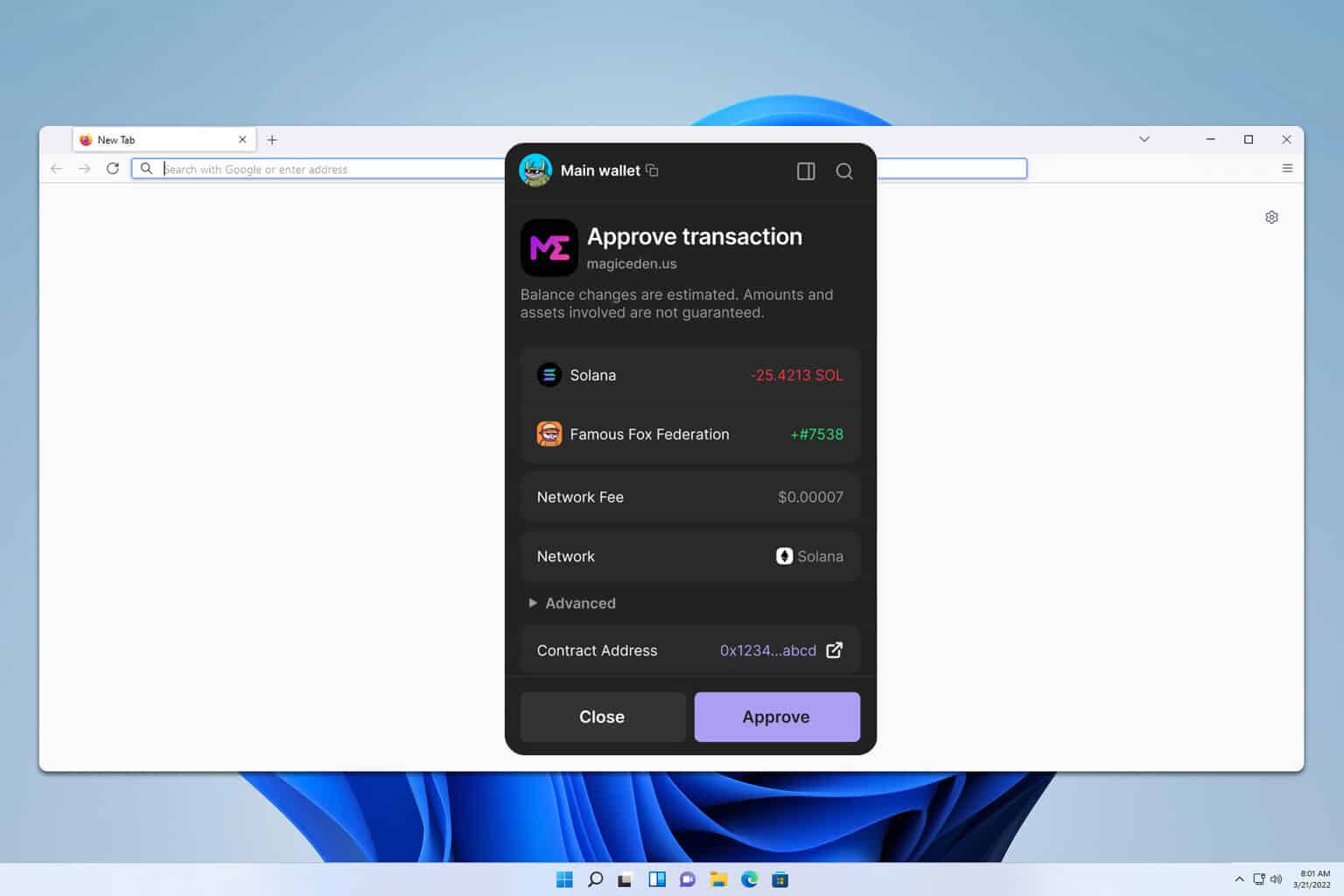
What a good Solana extension should do (and what to watch out for)
A solid extension manages keys locally, asks for confirmation before signing, and clearly shows fees and network details. It should support token swaps, NFT viewing, and connecting to dApps without asking for your seed phrase — ever. I’m biased, but UX matters: a clunky wallet will make you click the wrong thing eventually. My instinct said to value simplicity over bells and whistles, though advanced features can be useful once you know what they do.
Practical checklist: set a strong password for the extension, write down the seed phrase (on paper, not in a note app), and enable any hardware wallet integrations if you hold meaningful value. Something felt off about saving your seed to cloud storage — don’t do that. Also, watch extension permissions. If an extension asks for blanket site access, question it. On the one hand that permission can be necessary for some features; though actually, if it’s not clearly explained, you should be cautious.
For people mainly collecting NFTs, the gallery and metadata display are important. You want clear provenance and links to on-chain records. For traders, token swapping and integration with serum/DEXs matter. For gamers, session management and connection stability are critical. Initially I wanted one tool to do everything. Eventually I realized using the right tool for the job (and sometimes a separate hot wallet for small trades) reduces risk.
If you want a quick recommendation to try, the phantom wallet extension is widely used in the Solana ecosystem, and it’s a decent starting point for beginners and collectors alike. I remember installing it and being pleasantly surprised by how fast I could interact with a marketplace. Not flawless, but clean. Not 100% perfect — but a solid balance of usability and security.
Now some real-world tips that helped me avoid dumb mistakes: always verify contract addresses when interacting with unknown tokens, use a throwaway wallet for experimental dApps, and double-check transaction details in the confirmation popup before approving. Sometimes the popup truncates info; zoom in or expand it. Also, backups — make multiple copies of your seed phrase and store them in different, secure locations. Redundancy helps. Seriously.
One nuance: mobile support. Many extensions pair with mobile apps for approvals. That’s convenient, though it introduces another device to secure. I use my phone for confirmations only after I’ve double-checked the site on desktop. There’s a rhythm here — desktop for research, mobile for quick approvals — but you do you.
Integration with hardware wallets like Ledger is a huge plus if you’re holding valuable NFTs or tokens. It adds friction, yes, but it materially reduces the risk of remote compromise. On one hand it costs a bit of time and money; on the other hand, it keeps your assets safe. My working rule: if a wallet holds the equivalent of my monthly rent, it goes behind a hardware device.
Another practical point: gas and privacy. Solana fees are small, but privacy is not inherent. Your public address ties all activity together. If that matters to you, consider rotating addresses or using separate wallets for different activities. Some users maintain a collectible wallet, a trading wallet, and a bridge/wrapping wallet. I like that separation; it keeps things tidy, and it limits damage if one key is exposed.
Finally, be wary of “fake” extensions. There are malicious clones. Check the developer name, read recent reviews, and confirm the official site or verified social links. A trusted community channel (Discord, Twitter) often points to the official download. I’m not perfect — I almost clicked the wrong item once. Learn from my near-miss: stop, breathe, and verify.
FAQ
How do I restore my wallet if my computer dies?
Use your seed phrase to restore on a new device. Prefer restoring on the official extension recommended by the wallet’s team. Keep your seed phrase offline and in multiple secure copies. If you use hardware, you can also reinitialize from the hardware device.
Are browser extensions safe for NFTs?
They can be, if you follow best practices: local key storage, cautious site permissions, hardware integration for larger holdings, and never sharing your seed. Use separate wallets for risky interactions and keep software updated. That said, no solution is zero-risk — reduce exposure, don’t eliminate common-sense precautions.
What about transaction fees and speed?
Solana is fast and cheap compared to many chains, so fees are rarely a usability blocker. However, always preview transactions — sometimes dApps add extra steps or wrapped tokens that change the cost profile. Speed depends on cluster health; most of the time it’s near-instant.